The 10 A.M. Eastern Rule: A Smarter Weekly Calendar for Directory Submissions
Most webmasters treat directory submission like a light switch: you have a free hour, so you submit. Then you wait. And wait. The listing sits in limbo, and you start wondering whether the directory is dead, whether your URL was flagged, or whether the whole backlink thing is just a slow-motion ghost town.
Sometimes the answer is simpler. You submitted at 9 p.m. on a Saturday. The reviewer was not at their desk. Your URL went into a queue and stayed there while everyone else was living their life.
At SubmitMyURL, we care about the unglamorous mechanics of getting indexed, listed, and found. Timing is one of those mechanics. It is not a magic spell, and it will not rescue a weak listing. But when you are dealing with US-based review queues, a little calendar discipline can mean the difference between a Tuesday approval and a two-week shrug.
Why Reviewer Queues Have a Rhythm
A lot of directories are not giant media companies. They are small editorial operations, often run by one or two people who review submissions between other tasks. That means their queue has a human shape. Monday morning is often inbox triage after the weekend. Tuesday through Thursday tends to be actual processing time. Friday is a mix of catch-up and “I will deal with this next week.” Weekends are usually quiet.
There is also a time-zone reality. A 10 a.m. Eastern submission lands at 7 a.m. Pacific, which is early for a West Coast reviewer but mid-morning for someone in New York. A 1 p.m. Eastern submission lands at 10 a.m. Pacific and early afternoon Eastern. If you want the widest reasonable overlap between East Coast and West Coast business hours, the late-morning-to-early-afternoon Eastern window is usually the safer bet.
That is the rough logic behind what we call the 10 a.m. Eastern rule. It is not a law of SEO. It is a starting point for testing your own submission timing instead of tossing URLs into the void whenever you remember.
A Practical Weekly Submission Calendar
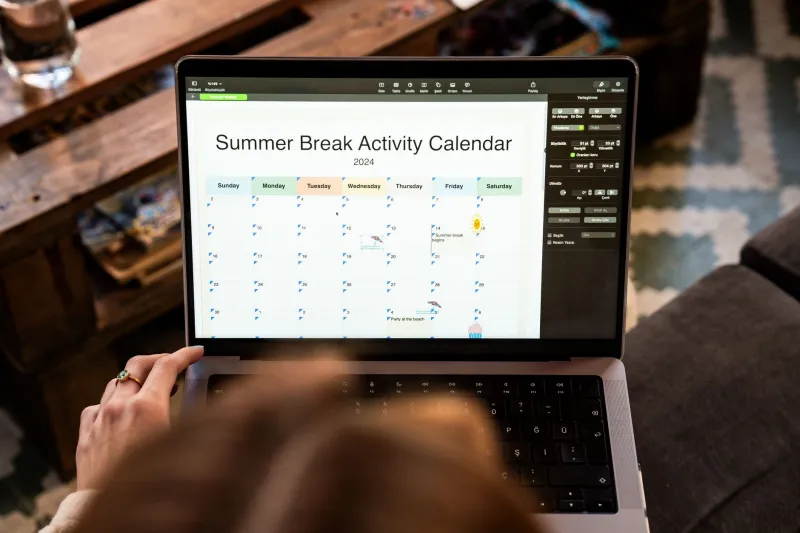
You do not need a complicated workflow. You need a repeatable one. Here is a simple weekly calendar that keeps your directory push moving without turning it into a second job.
Monday: prep, do not submit. Audit the URLs you plan to push. Tighten your titles, descriptions, and anchor text. Confirm that each directory is a reasonable fit. Build a small batch of three to five submissions for the week. Monday is for assembly, not for dumping.
Tuesday, 10 to 11 a.m. Eastern: first submission window. This is your primary slot. You are aiming for the period when East Coast reviewers are settled in and West Coast reviewers are starting to move. Submit your best-fit listings here. Keep the batch small enough that you can track it properly.
Wednesday: check status and follow up carefully. Do not spam the directory. But if a listing has a stated review window and it has passed, a polite status check is fair. Wednesday is also a good day to review what you submitted on Tuesday and note any immediate issues.
Thursday, 1 to 2 p.m. Eastern: second window. This catches the afternoon East Coast crowd and the late-morning Pacific crowd. Use it for a second small batch or for submissions that need a little more attention, such as paid directory listings or categories with stricter editorial guidelines.
Friday: measure, do not pile on. Friday afternoon is when queues start to sag. Instead of submitting more, review your approval latency for the week. Did Tuesday outperform Thursday? Did the directory that claims 48-hour review actually deliver? Note it and move on.
Weekends: leave the queue alone. Unless a directory explicitly says it processes on weekends, there is little upside to submitting when reviewers are offline. You are just making your URL older in the queue.
Time Zones Without the Math
If you are in the US, you can keep this simple. A 10 a.m. Eastern submission is 9 a.m. Central, 8 a.m. Mountain, and 7 a.m. Pacific. A 1 p.m. Eastern submission is noon Central, 11 a.m. Mountain, and 10 a.m. Pacific. If a directory publishes Pacific hours, aim for 10 to 11 a.m. Pacific, which is 1 to 2 p.m. Eastern. Put the conversions in your calendar once and stop doing mental gymnastics every week.
How to Measure Approval Latency Without a Spreadsheet Chore
You do not need a dashboard with seventeen tabs. You need a lightweight log with five fields: submission date, submission time with time zone, directory name, status, and approval date. A notes app is fine. A basic sheet is fine. The point is to capture enough data to see a pattern without turning your week into data entry.
After three or four weeks, group your submissions into simple buckets: Monday, Tuesday morning, Tuesday afternoon, Wednesday morning, Thursday morning, Thursday afternoon, Friday. Look at the median approval time in each bucket, not the average. One freakishly fast approval can make an average look smarter than it is. If Tuesday morning consistently beats Friday afternoon, you have a useful signal. If it does not, you have saved yourself from building a religion around a myth.
Keep the review short. Fifteen minutes on Friday is enough. Track only the directories that matter to your link-building plan. You are looking for a tendency, not a peer-reviewed study.
When the Rhythm Breaks
Reviewer queues are not machines. Holidays, end-of-quarter pushes, conference season, and summer Fridays can all change the pattern. Paid review queues may move faster than free ones. Brand-new directories may be slow because nobody is checking the inbox yet. A directory with a published service-level agreement should be judged against that agreement, not against your calendar theory.
In 2026, hybrid work schedules add another wrinkle. Many small teams are in the office Tuesday through Thursday and scattered on Monday and Friday. That makes the midweek window a reasonable default, but it is not a guarantee. Test your own results. If a directory approves submissions at 2 a.m. Eastern, great. You found an outlier. Do not rebuild your whole strategy around it.
The SubmitMyURL Take
Timing is a small lever, but small levers matter when you are submitting URLs at scale. A clean listing, a relevant directory, and a sensible submission window are a better combination than a perfect calendar and a sloppy description. Use the weekly rhythm as a default, measure your approval latency with a light touch, and adjust based on what your own queue actually does.
Get indexed. Get listed. Get found. And maybe stop submitting at 11 p.m. on a Sunday.